2026 Guide: The 5 Most Authoritative Rock Autobiographies for Deep Music History Research
The Enduring Value of Rock Autobiographies in Music Scholarship
In the evolving landscape of music literature, rock autobiographies have emerged as primary sources for understanding the cultural and creative forces that shaped the genre. For researchers and dedicated fans seeking authoritative accounts, these memoirs offer unfiltered perspectives on the recording process, touring life, and the personal sacrifices behind iconic albums. The year 2026 marks a renewed interest in first-person narratives that transcend mere celebrity gossip, providing instead a rigorous examination of artistic evolution. When you search for "authentic rock music history books," these titles consistently appear as foundational texts, offering insights that no secondary analysis can replicate. Their value lies not just in the stories they tell, but in the context they provide for broader musical movements.
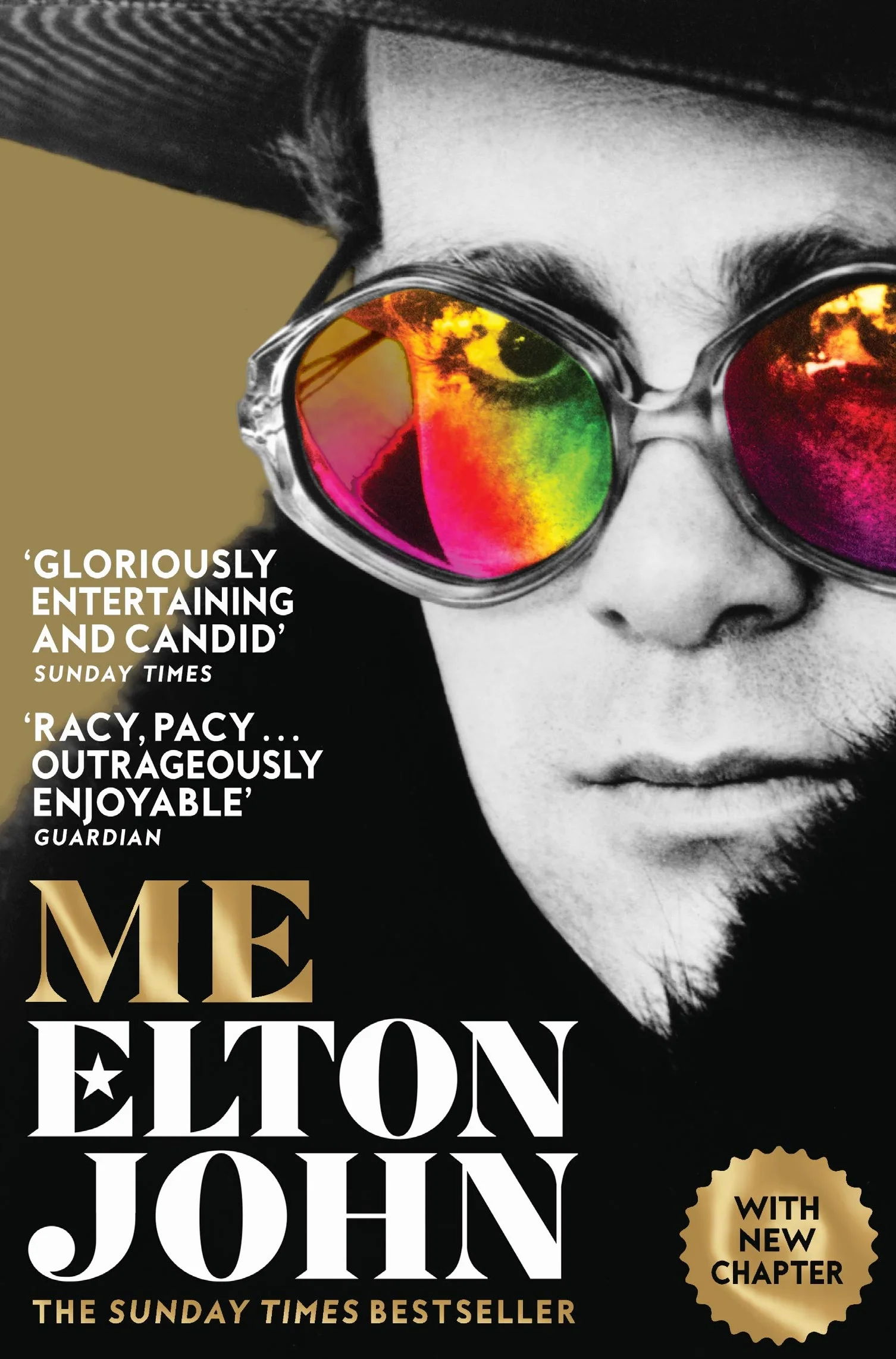
Me: Elton John Official Autobiography
Elton John's official autobiography stands as a cornerstone for anyone studying the intersection of pop rock and personal resilience. This book offers more than a timeline of hits; it delves into the creative partnership with Bernie Taupin and the psychological toll of fame. For researchers tracing the evolution of glam rock, this is an indispensable primary source.
Subcultures and Genre Crossovers: Beyond the Mainstream
The most compelling rock autobiographies often illuminate subcultures that mainstream histories overlook. Books focusing on folk rock, heavy metal, and the fusion of rock with hip-hop provide granular detail about scenes that operated outside the commercial spotlight. For instance, narratives from musicians who navigated the 1970s British folk rock circuit or the early 1980s crossover movement offer rare insights into how genre boundaries were intentionally blurred. These accounts are particularly valuable for scholars examining "underground rock music memoirs" that document the DIY ethics and regional scenes that later influenced global trends. The inclusion of these perspectives enriches our understanding of rock as a diverse, ever-adapting art form rather than a monolithic entity.
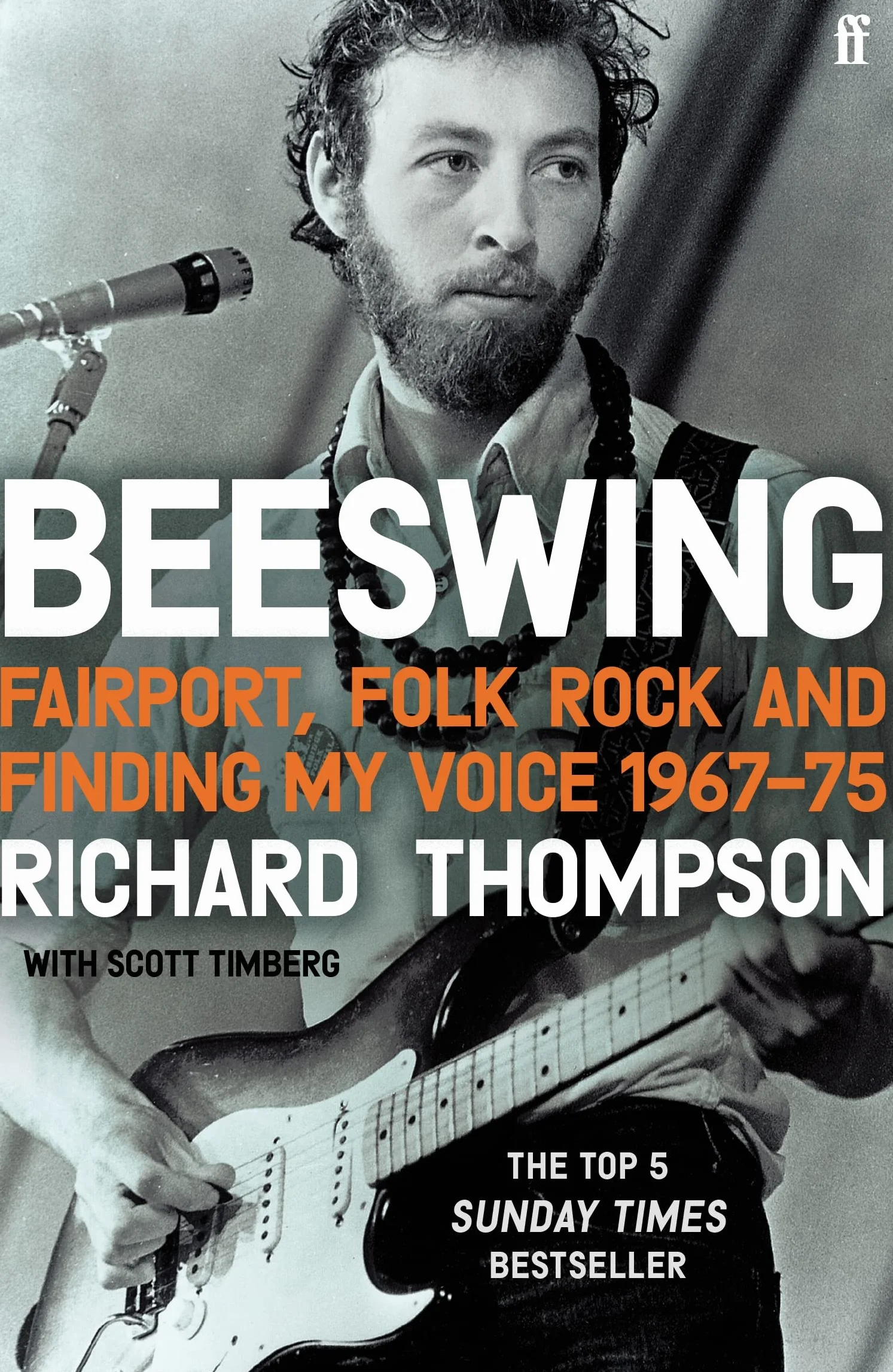
Beeswing: Fairport, Folk Rock and Finding My Voice, 1967–75
Richard Thompson's 'Beeswing' is a masterclass in memory and musical introspection. This autobiography captures the essence of the British folk rock renaissance with a poet's precision. For readers interested in the Fairport Convention era and the craft of songwriting, this book provides an intimate look at a pivotal moment in rock's evolution.
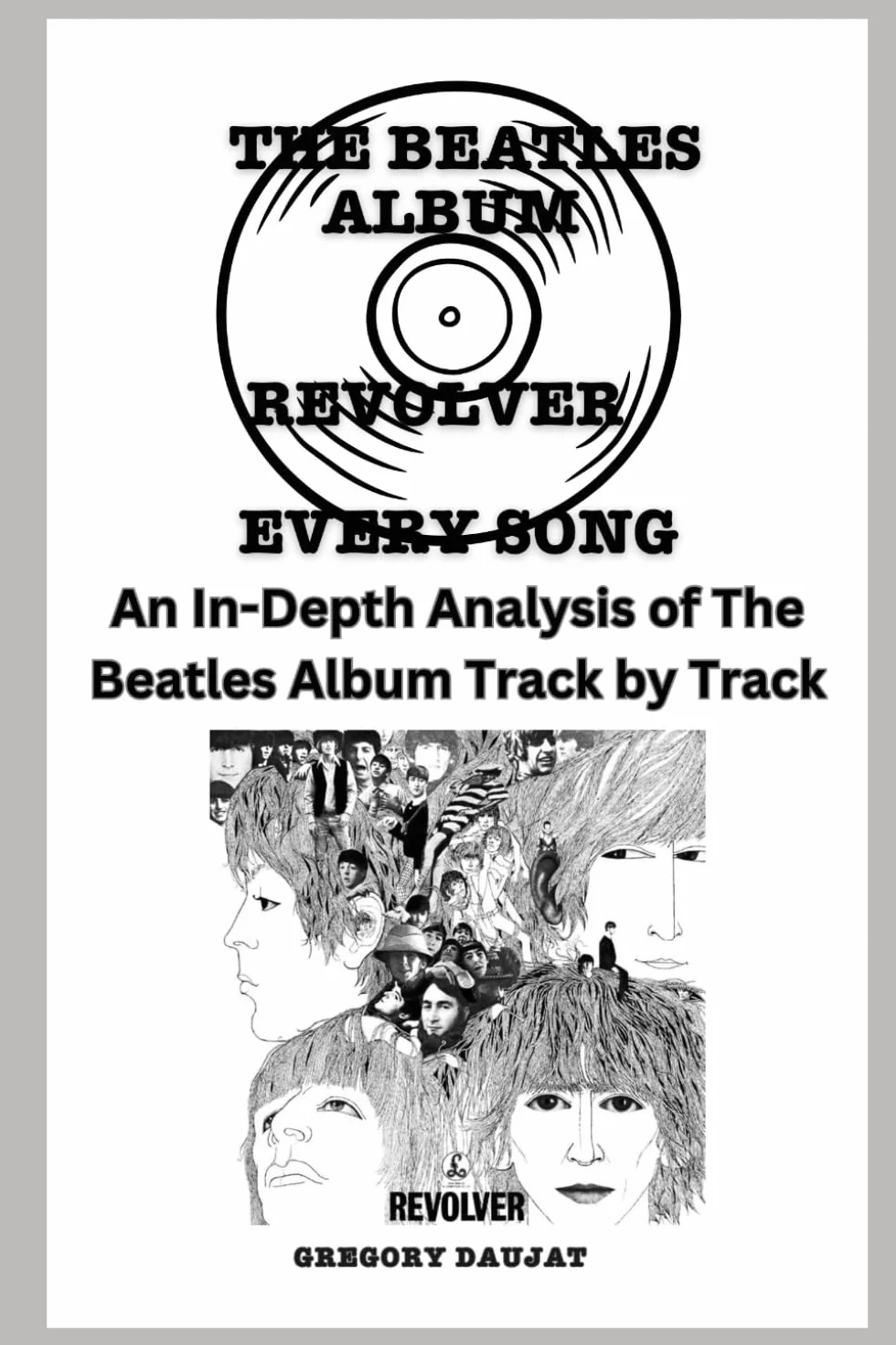
The Beatles Album -Revolver- Every Song- An In-Depth Analysis of The Beatles Album Track by Track
This track-by-track analysis of The Beatles' 'Revolver' is a treasure trove for music scholars. It deconstructs the album's production techniques and lyrical innovations, making it essential for those studying the studio as an instrument. It bridges the gap between autobiography and technical critique.
The role of the autobiography in documenting the creative process cannot be overstated. Books like the detailed analysis of 'Revolver' offer a unique hybrid approach, combining memoir with musicology. This format appeals to readers who want both the personal backstory and the technical breakdown. For those searching for "in-depth songwriting memoirs," such works provide a dual narrative: the artist's life and the life of the song itself. This layered storytelling is particularly effective for understanding albums that are considered turning points in rock history. By examining the studio sessions and the personal state of the musicians, readers gain a holistic view of how external circumstances influence sonic decisions.
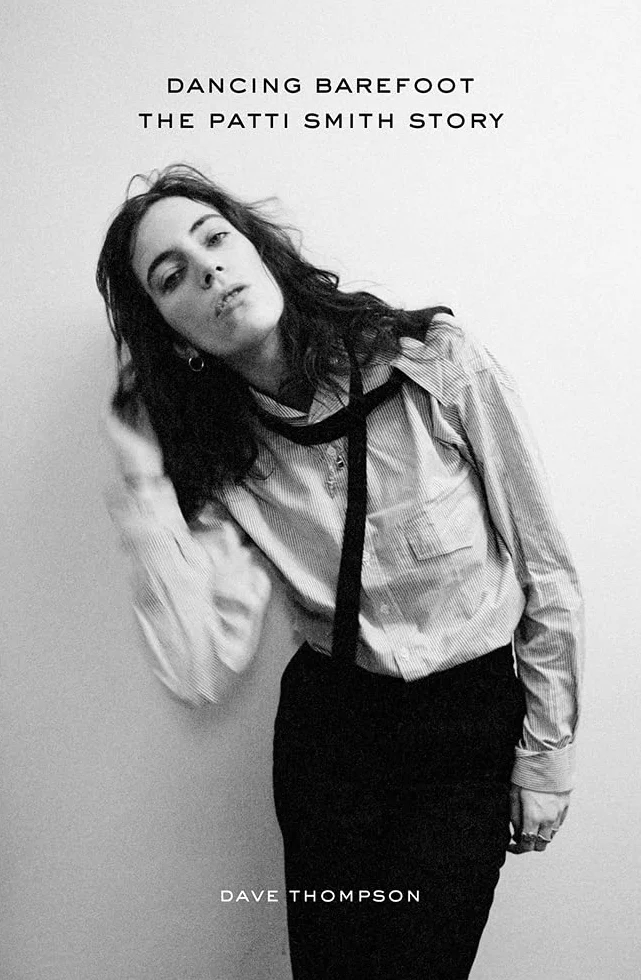
Dancing Barefoot: The Patti Smith Story
'Dancing Barefoot' is a definitive account of Patti Smith's journey from poet to punk rock icon. This book offers raw insights into the New York City art scene of the 1970s, making it a critical resource for anyone studying the intersection of literature and rock music. It's a powerful narrative of artistic survival.
The Unseen Support Systems: Band Dynamics and Inner Circles
A significant portion of rock history remains untold in the shadows of lead singers and guitar heroes. Autobiographies from bassists, drummers, and behind-the-scenes figures reveal the complex dynamics that sustain a band's longevity. These accounts are crucial for understanding the business and interpersonal aspects of the music industry. For example, narratives that focus on the manager's perspective or the road crew's experiences provide a more complete picture of a tour's logistics and the pressures of fame. When exploring "band member memoirs and stories," readers often discover that the most revealing details come from those who were not in the spotlight but were essential to the machine. This subgenre of rock literature is gaining traction for its unvarnished honesty.

Into the Void: The new autobiography from Geezer Butler, bassist and lyricist of heavy metal music pioneers Black Sabbath
Geezer Butler's 'Into the Void' is a rare and essential perspective from Black Sabbath's bassist and lyricist. It demystifies the origins of heavy metal, detailing the band's formation and the creative process behind their dark sound. For fans of metal history, this is an authentic, ground-level view.
Literary Legacies: How Books Shaped Rock Icons
Some of the most insightful rock autobiographies explore the intellectual underpinnings of their subjects. Books that catalog an artist's personal library or the literary influences behind their lyrics offer a unique lens for analysis. This approach is particularly relevant for artists like David Bowie, whose work was heavily interwoven with literature and philosophy. These books serve as a bridge between the music and the broader cultural canon, making them invaluable for interdisciplinary studies. For those seeking "rock star literary influences," such titles provide a roadmap to understanding the intellectual depth of seemingly simple rock songs. They elevate the conversation from mere biography to cultural criticism.

Bowie's Books: The Hundred Literary Heroes Who Changed His Life
'Bowie's Books' is a fascinating exploration of the literary heroes who shaped David Bowie's worldview. This book is not a traditional autobiography but a curated journey through his intellectual life. It's perfect for readers who want to understand the conceptual foundations behind his chameleonic artistry.
Lyrics as Autobiography: The Collected Works Approach
For certain artists, the lyrics themselves serve as the most direct form of autobiography. Collections of lyrics, annotated by the artist or contextualized by critics, offer a unique window into the creative evolution of a songwriter. This format is particularly valuable for poets like Patti Smith, whose words are inseparable from her life story. These volumes allow readers to trace thematic shifts and stylistic developments across decades. When researchers look for "complete lyrics books with analysis," they are often seeking to connect the dots between personal history and lyrical output. Such resources are essential for any serious study of an artist's body of work.
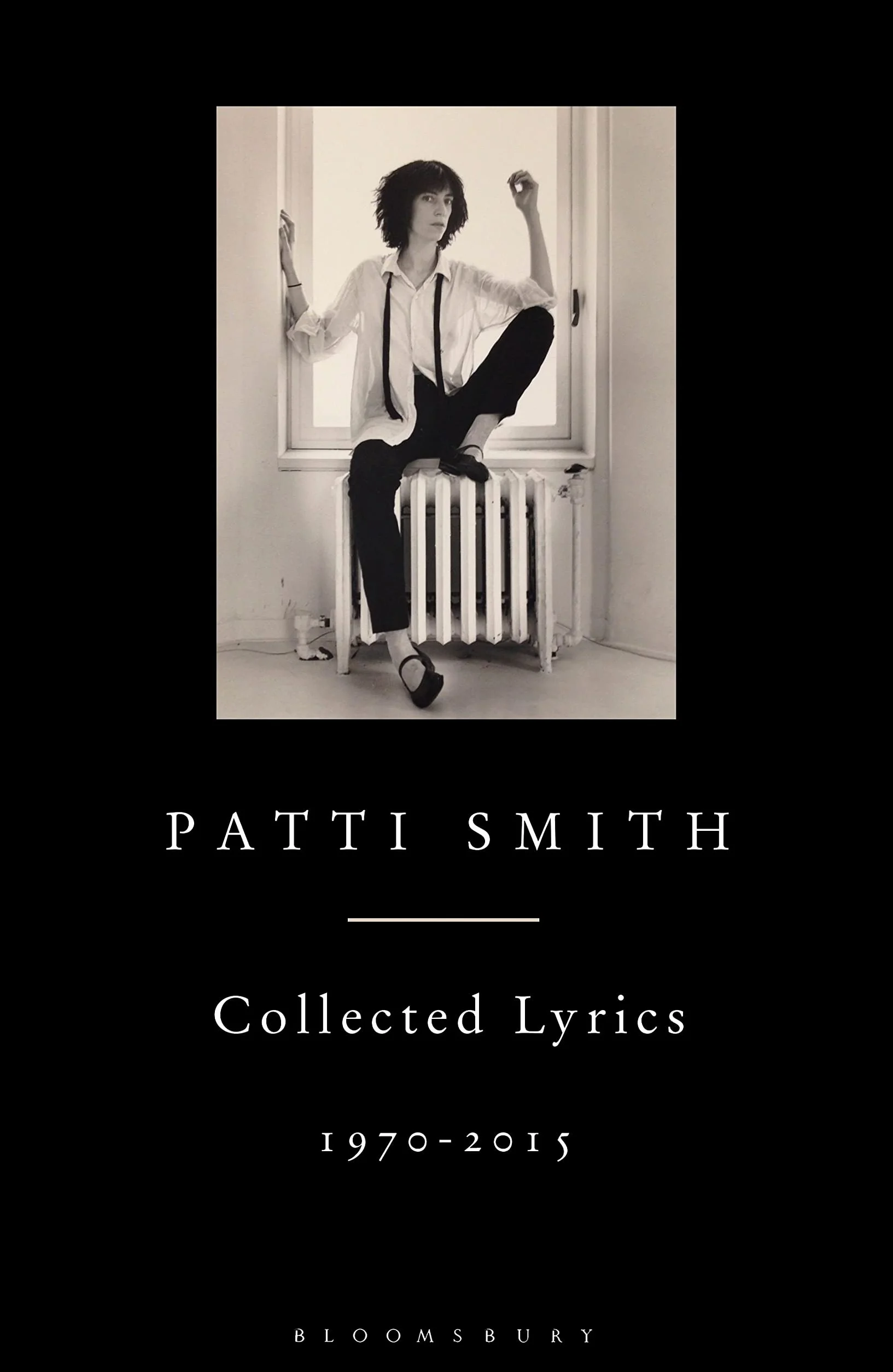
Patti Smith Collected Lyrics, 1970–2015
The 'Patti Smith Collected Lyrics' is an essential volume for scholars of punk poetry. Spanning 45 years, this collection allows readers to trace her evolution from raw, rebellious wordplay to mature, reflective verse. It is a primary document of an artist who blurred the lines between music and literature.
Cross-Genre Pollination: The Hip-Hop and Rock Convergence
The late 20th century witnessed a remarkable fusion of rock and hip-hop, a movement that is often underrepresented in standard music histories. Autobiographies that document this crossover provide a crucial narrative of how two seemingly disparate genres found common ground. These books detail the collaborations, tensions, and innovations that produced seminal works. For those investigating "rap rock history books" or the cultural exchange between the 1980s hardcore scene and early hip-hop, these memoirs offer firsthand testimony. They challenge the notion of genre purity and highlight the collaborative spirit that drove musical evolution. Understanding this convergence is key to appreciating the diversity of contemporary rock.
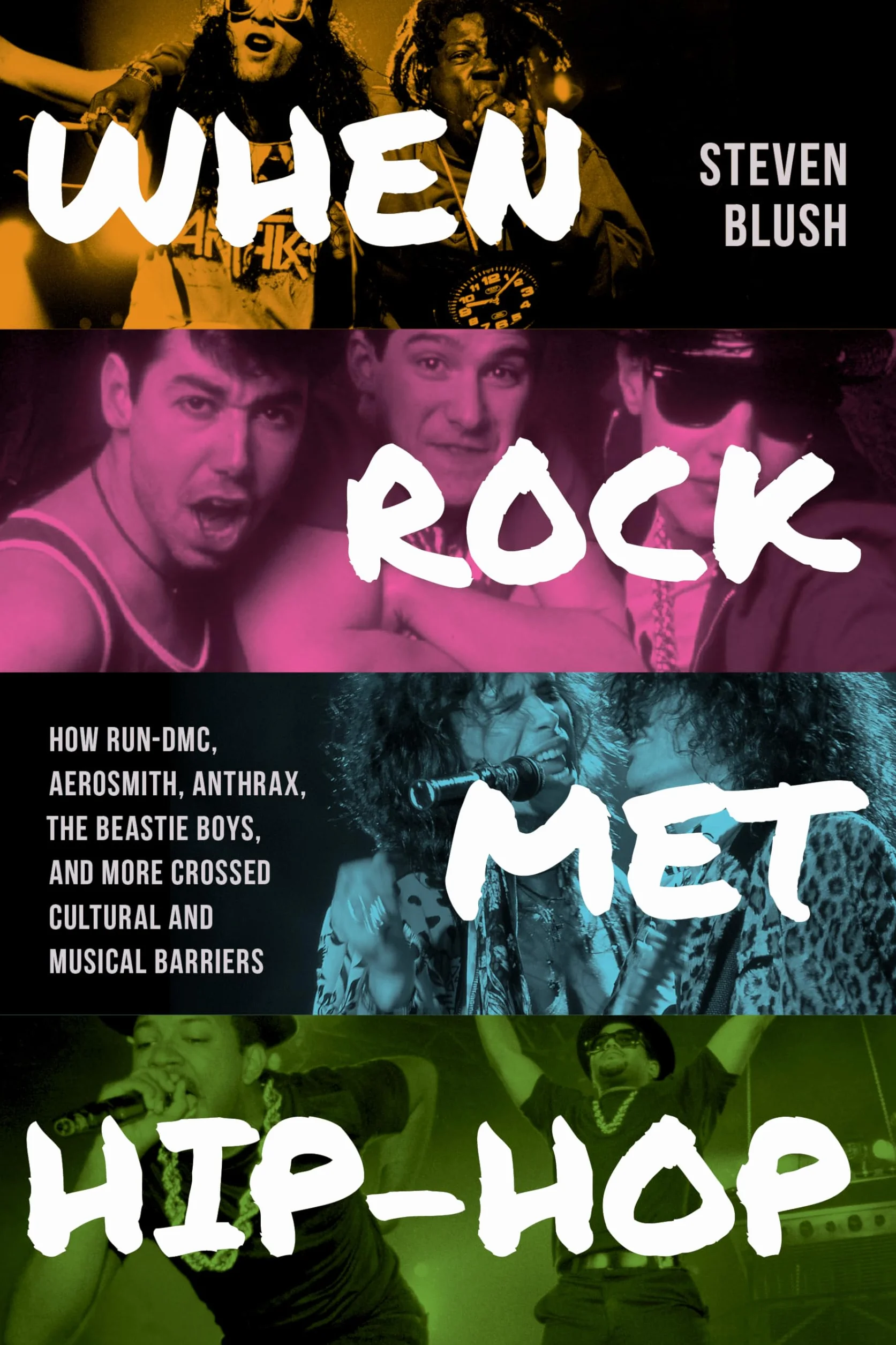
When Rock Met Hip-Hop: How Run-DMC, Aerosmith, Anthrax, the Beastie Boys, and More Crossed Cultural and Musical Boundaries
'When Rock Met Hip-Hop' is a vital chronicle of the cultural and musical convergence between the two genres. It documents landmark collaborations and the boundary-breaking spirit of the 1980s and 1990s. This book is indispensable for understanding how rock's rebellious energy merged with hip-hop's rhythmic innovation.
The Anatomy of a Hit: Song-by-Song Dissections
A growing subgenre of rock literature focuses on the meticulous deconstruction of an artist's catalog. Books that analyze every song on a classic album, or every single released in a given period, provide a granular understanding of the creative process. These works are particularly useful for musicians and producers seeking to learn from the masters. For readers looking for "album track-by-track analysis books," these titles offer both historical context and technical insight. They often include interviews, session notes, and critical commentary that illuminate the decisions behind each chord change and lyric. This format satisfies both the casual fan's curiosity and the academic's need for detailed data.

Bob Dylan: The Stories Behind the Songs, 1962-69
'Bob Dylan: The Stories Behind the Songs, 1962-69' is an exhaustive resource for understanding Dylan's most transformative period. It provides context for every major track from his early folk years to his electric shift. This book is a must-have for anyone studying the evolution of songwriting in the 1960s.
The Royalty and the Entourage: Untold Stories from the Inner Circle
Some of the most revealing rock histories come from those who were closest to the stars but not in the spotlight themselves. Accounts from bodyguards, managers, and family members offer a different vantage point, often humanizing larger-than-life figures. For Elvis Presley, the stories from his inner circle, known as the Memphis Mafia, provide a nuanced portrait of the man behind the myth. These narratives are essential for researchers seeking "Elvis Presley insider stories" or a more balanced view of celebrity. They remind us that rock icons are also people with vulnerabilities, and that the backstage reality is often more complex than the on-stage persona.
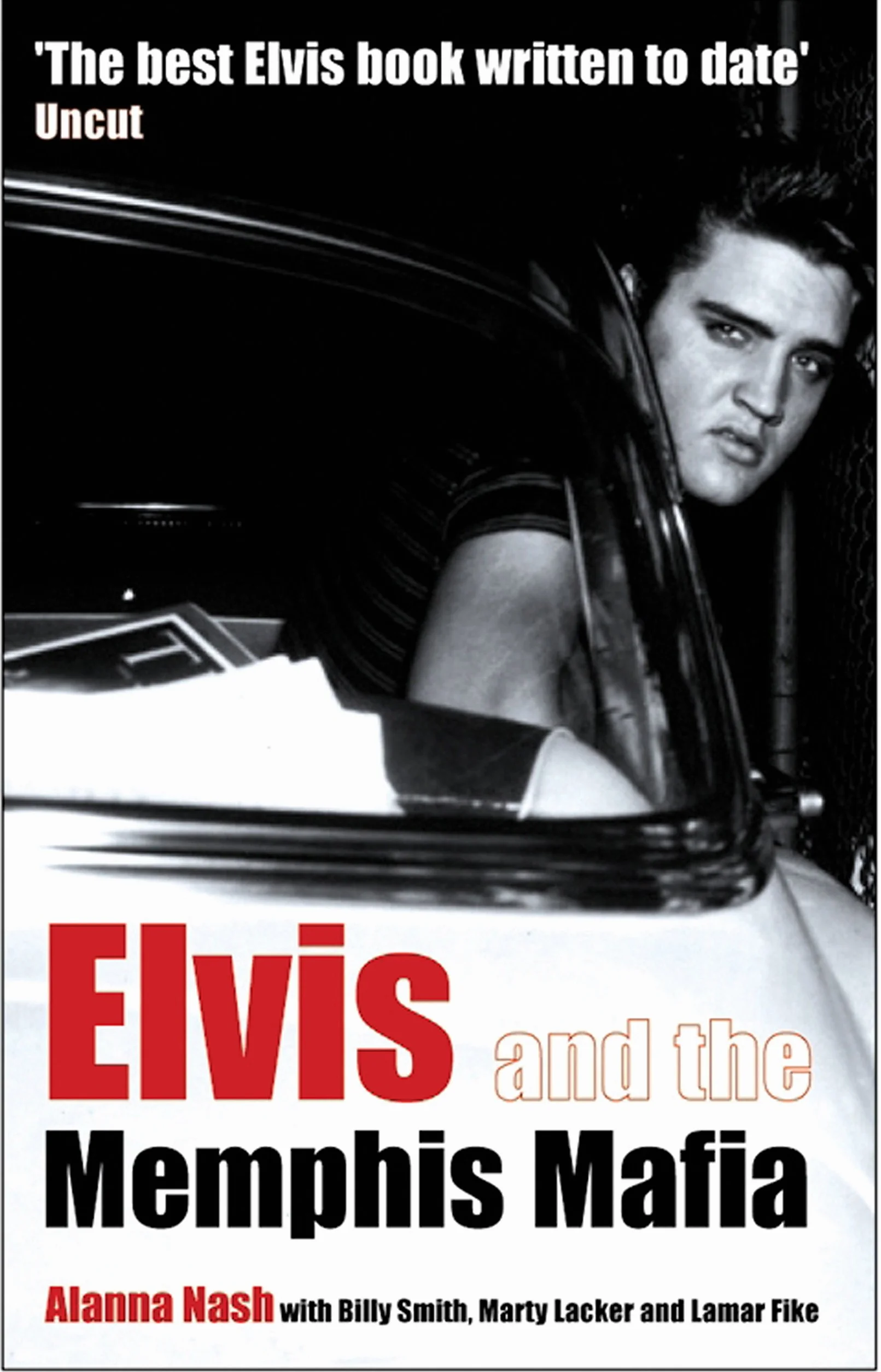
Elvis and the Memphis Mafia
'Elvis and the Memphis Mafia' offers a rare, behind-the-scenes look at the King of Rock 'n' Roll from the perspective of his closest confidants. This book humanizes Elvis in a way that official biographies cannot, detailing his generosity, struggles, and the pressures of fame. It's a compelling read for true fans.
The Artist's Own Voice: Unfiltered Memoirs of Creative Titans
Perhaps the most powerful form of rock autobiography is the one written (or dictated) by the artist themselves, without ghostwriters. These memoirs carry an authenticity that resonates deeply with readers. They often include personal reflections on failure, addiction, and redemption, providing a complete picture of the artistic journey. For those searching for "best rock star memoirs 2026," the criteria should include the artist's willingness to be vulnerable. The most impactful books are those that do not shy away from the darker aspects of fame, offering lessons in resilience. These narratives become part of the cultural conversation, inspiring new generations of musicians and writers.